Most companies do not have a logo problem. They have a consistency problem.
The deck from sales uses different fonts than the website. The new brochure’s blue does not match the old one. The social team is improvising layouts. Individually, each is minor — together, they quietly signal “this company is not as put-together as it claims.”
A brand identity is a system, not a symbol
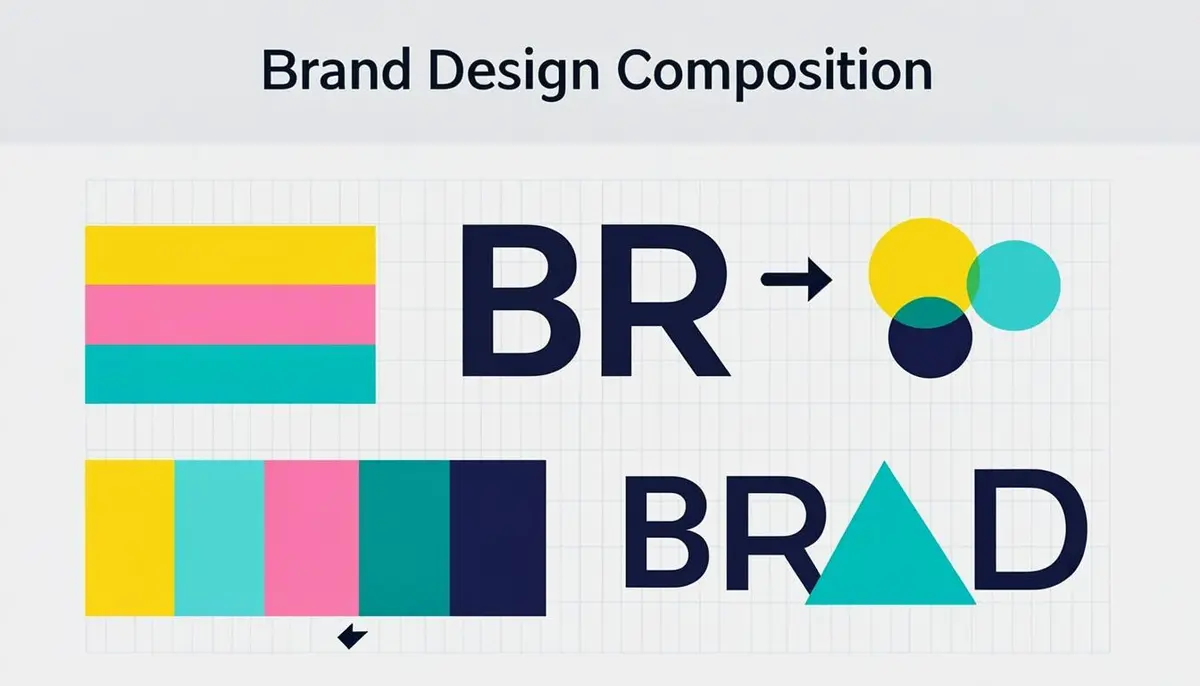
A logo is one component. A complete identity system includes:
- Logo rules. Versions, clear space, minimum sizes, what never to do.
- Colour system. A small primary palette, functional accent colours, and exact values for print and screen.
- Typography. Two or three typefaces with a defined scale — what headings, body and captions look like everywhere.
- Imagery style. Photography and illustration direction: light, mood, subjects, treatment.
- Voice. How the brand sounds in writing — plain, confident, warm, technical — with do/don’t examples.
- Templates. Presentations, documents, social creatives — so non-designers produce on-brand work by default.
Why systems beat one-off design
When identity lives in a system:
- Speed. Marketing ships campaigns without waiting for a designer to reinvent layouts.
- Trust. Consistency reads as competence — audiences feel the discipline even if they cannot name it.
- Scale. New offices, products and channels inherit the system instead of drifting from it.
- Cost. You stop paying repeatedly to redesign what was never defined in the first place.
The AI-era wrinkle
AI tools make it easy to generate something quickly — and just as easy to generate visual chaos. A defined system is what keeps AI-assisted content on-brand: fixed palettes, approved type, and rules for what imagery may appear where. Brands with real systems get leverage from AI. Brands without one get noise.
What a sensible engagement looks like
- Discovery. Understand the business, audience and competitive landscape — what should this brand make people feel and believe?
- Direction. Explore visual territories, agree the one that fits.
- System design. Logo refinements, palette, typography, imagery, voice — documented.
- Templates and rollout. The practical assets teams use daily.
- Handover. Guidelines written for real humans, so the system survives contact with everyday deadlines.
The bottom line
Brand identity is an operating system for how your company looks and sounds. Define it once, apply it everywhere, and every future asset — human-made or AI-assisted — starts from strength instead of from scratch.